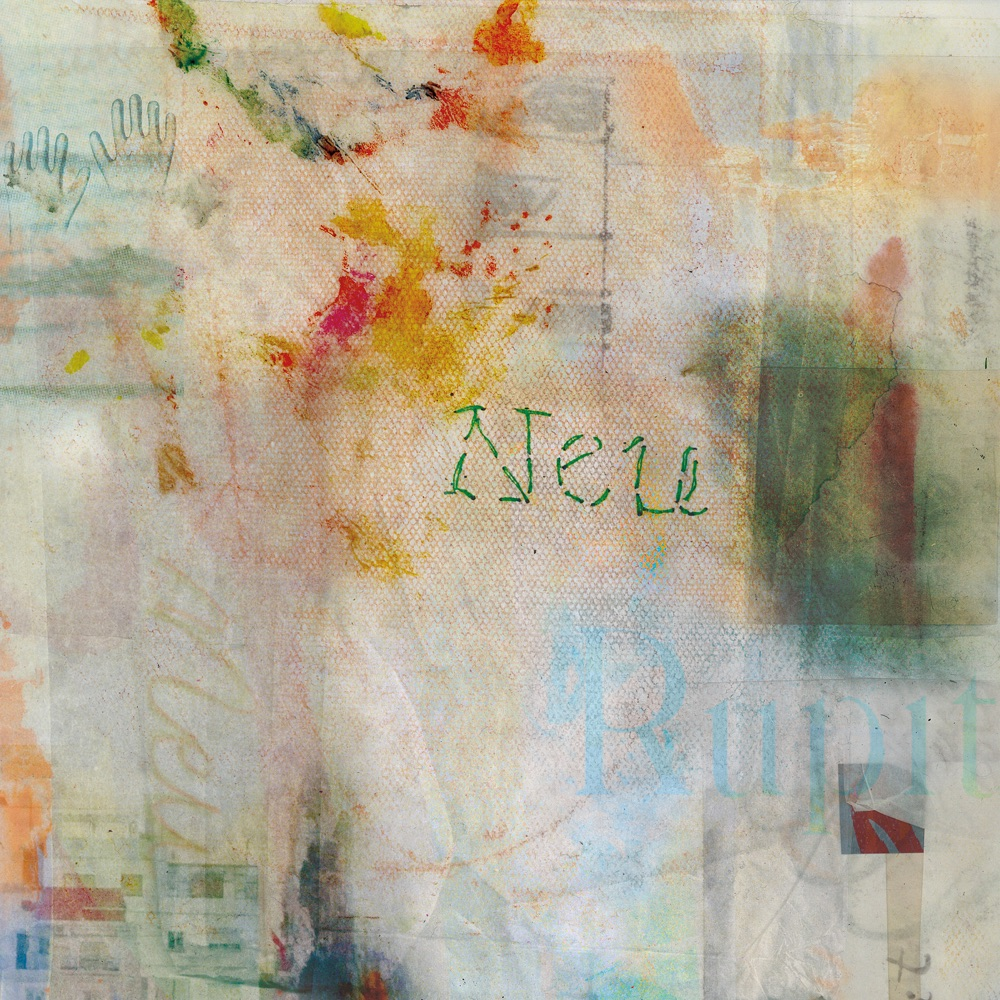
From the moment Rupit’s debut album, titled NEU (“snow” in Catalan), begins, the listener is transported into a reverb-laden soundscape, swept into the ambient bliss the up-and-coming artist has meticulously crafted through smooth guitar riffs and encompassing synth arrangements that wash over the ears like vast tidal waves. It’s a sonic experience of epic proportions, and, over the 45-minute runtime, you’ll be treated to what is less a typical album and more an odyssey of sonic cinema. Definitive genre labels cannot restrain Rupit’s vision as he hops from influence to influence – a dazzling array of folk, rock and electronic experimentation. Many tracks are made up of fragmented particles that may seem random at first, but soon tick in unison as cogs to genius song structures. Sporadic vocal chops, pounding synthetic beats and bitcrushed samples are all weapons in his arsenal that he uses to astound and amaze at every turn, all while crooning out yearning passages that lead you to mourn memories you’ve never even had.
Calling to mind the stylings of Black Country, New Road, the opener “Omen” is characterized by a clean, bluesy guitar pattern accompanied by scraps of noise, and as Rupit begins to tell his tale you cannot help but lean in and listen attentively. His descriptive lyricism bursts with soul, with a deep longing permeating every line as he weaves between romantic and haunting prose to describe Jardí, a fantastical world he has created, which the album is based around. He is caught in the throes of confusion at the supernatural, a boat catching ablaze while a whale circles and a wraith wails, the track reaching a crescendo as he calls out repeatedly “what’s that supposed to mean” and his partner stretches out their hands to beckon lightning from the ether. It’s a mellow yet somewhat ominous introduction to the concept that sets the stage for what’s to come, a love plagued by bursts of anguish.
This continues in the following track “Flicker,” as Rupit ruminates over a hazy potpourri of sound, a ballad that has the power to bring chills down your spine in the height of summer and evokes BT’s This Binary Universe in its airy collage of regret. It’s a tender highlight of the album, as is the next track “Burning.” This time, the atmosphere switches into a claustrophobic, groaning build that molds chaos into complex rhythmic ecstasy while he sings, “you’re burnt sober/you hint it’s over.” The composition overcomes you, standing in the same room as Nigel Godrich’s production on Radiohead and IDLES records with its frenzied strumming and crashing. A quick spoken interlude relieves the tension, a dialogue between the narrator and his partner about starting a car as they banter back and forth, perhaps a recollection of a bygone chapter in his life. It acts as a segue into “Rain,” an electronic/folk hybrid where Rupit is joined by vocalist Nineta that sounds rousing but is morose lyrically, describing losing grasp of the central relationship with back-and-forth exchanges like “why won’t you meet my eyes” and “you slip through my fingers, diluted.” The two usher in a wall of pleading layers before it ends abruptly, not unlike how a spark of idealistic happiness might die out.
Next is the most upbeat song of the project, an experimental classical tune titled “Copeo,” with the name meaning a couples dance in Mallorca and the music conveying the mood perfectly, a lively and eclectic mix of traditional village roots and analog bass grooves. “Paradís” thrives off of its near constant vocal and instrumental variation, phrases stuttering in rapid succession over breakbeats. Rupit focuses on death and despair with the flair of Beck and the gloom of Kurt Cobain. By this point, “the holm oaks fall” and beauty brings only pain, driving forth the tragedy of the overarching story. Everything feels empty for the protagonist, and he cries out “is hope the last thing we’ll end up killing?” The next instrumental interlude is a downtempo panorama straight out of a film’s ending. One can picture the hero driving into the distance away from their demons as their future lies uncertain. Some albums would pad their length with these shorter tracks as easy filler, but with NEU it’s all part of the immersive experience, solidifying the conceptual depth Rupit so elegantly portrays.
“Neon” is an emo kid’s poetry written in a tattered composition notebook, then recorded as a voice memo and set to a psychedelic grainy euphoria. Once again, the lyrics are heartbroken: “the streets are so alone under artificial light,” the world sterile without love. The album as a whole reflects a balanced DJ set, with somber valleys and rich, explosive peaks, tracks like this one engulfing the senses. “Angel” is yet another tonal shift musically, a punchy breakdown with provocative words of falling angels and empty aisles. It contains some of the best descriptive language thus far, and paints a microscopic character within the larger canvas, an Eleanor Rigby over violent rock drumbeats. The final two tracks, “Distance” and “Neu Pt. 2,” act as companion pieces, reflections on the past and promises for the future. There’s a mix of wishing things were still as they used to be and growth, a sense of realism knowing that a fairytale ending isn’t always possible but still wanting it to be. Exasperated, Rupit says, “I used to care and shit/but the closeness cut so deep” on the penultimate track, and then “I’ll still want a world where I belong to you” in the album’s final moments, an internal struggle between contrasting feelings that may never be resolved. Even in the fiction he’s established, an emotionally raw core cuts through, making the concluding statements tearjerkers for anybody who has suffered the lowest depths of heartbreak.
Ultimately, NEU is a modern indie triumph, thematically rich and lyrically impressive. It has the power to gently ease you to sleep and shatter your soul, often simultaneously. As well as being a phenomenal debut, it’s also a project so insanely ambitious that it urges you to go out and create something that will follow its example, because in a world becoming oversaturated with AI, it’s daring human imagination like this that thrives. Its only disappointment is that it ends, and it cements Rupit as a pioneer of his unique sound and a talent to keep an eye out for in the coming years.
Written by J.H. White
