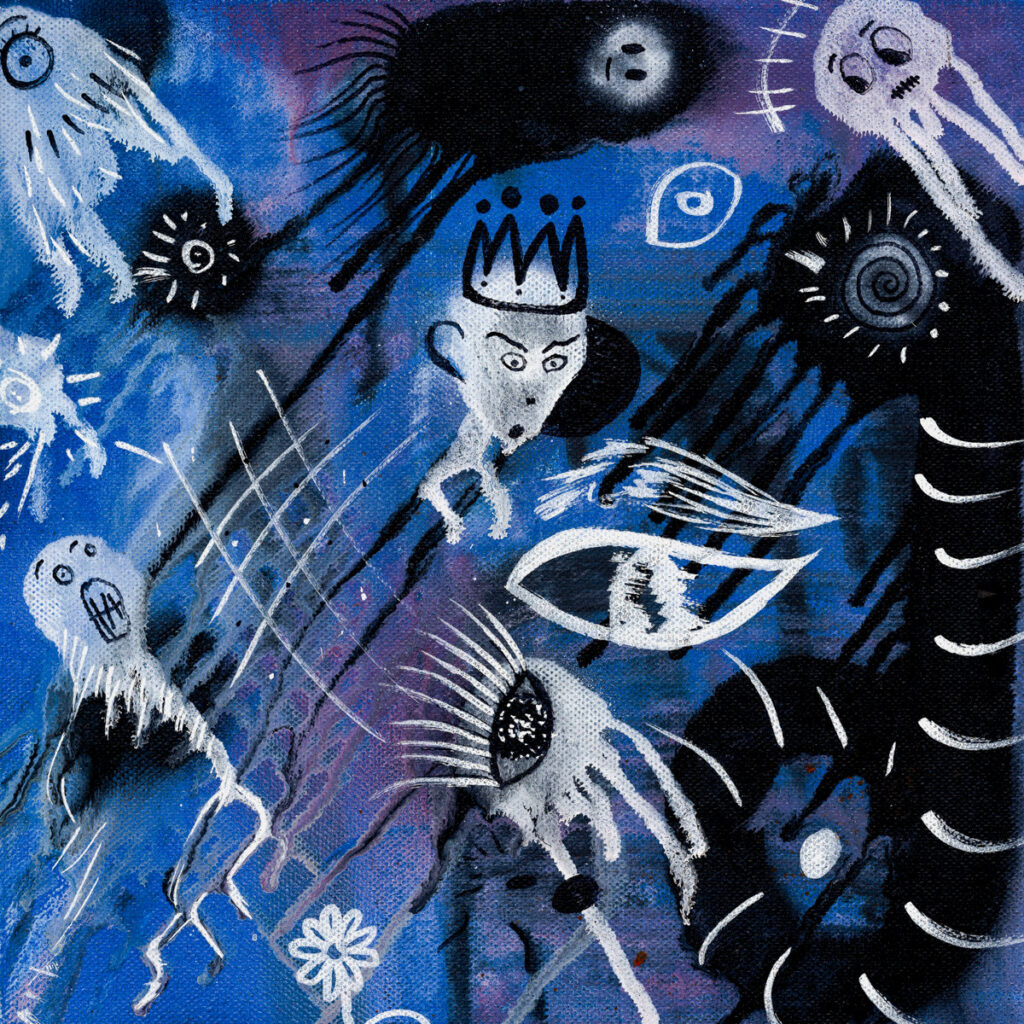
Kinetic Flaw marks the beginning of GLIDDEEE’s musical journey, a four-piece post-hardcore group coming straight from Beirut, Lebanon. The debut EP is the result of chaos and noise coming together to spread a message, delivered in a ferocious, violent way that feels (way too) real.
Marked by overwhelming guitar feedback, metallic textures, and blown-out screamed vocals, the record exceeded my expectations. It blends elements of post-rock, noise rock, punk, and even shoegaze at times, all intertwined to create an atmosphere that feels genuinely apocalyptic. That sense of collapse is what stood out to me the most. Every sound on the EP feels intentionally unstable, matching the emotional and political weight of the themes the band explores. Through dense guitar melodies and abrasive soundscapes, Kinetic Flaw covers emotional fractures, social pressure, alienation, and political unrest, constantly expressing urgency and desperation without ever softening the impact.
As expected from a release like this, the EP does not ease you into its world. Its opening track, “NEPOTISM AT HEART,” immediately establishes the tone with explosive instrumentation and an overwhelming sense of tension. Lyrically, it reads like a furious critique of capitalism and the way it isolates people from one another while forcing them to participate in systems that actively harm them. The aggression of the instrumentation reinforces that idea perfectly, turning the song into something that feels less like a performance and more like a confrontation.
The second track, “INHALER,” shifts the focus inward. While still noisy and aggressive, the song channels anxiety and the feeling of being trapped inside your own body. The imagery feels suffocating, like trying to breathe while something is constantly pressing against your chest. Even so, there’s still a sense of resistance running through the track. Beneath all the screaming and distortion, it never fully gives in to hopelessness.
“MIGRAINE GREEN,” the third track, introduces a subtle change in direction. The song revolves around distrust and the dangers of getting close to the wrong people, narrating an encounter that slowly turns abusive and manipulative. Musically, the EP also begins to shift here. The grooves become more noticeable, the basslines gain more presence and personality, and the songs start locking into rhythms in a way that feels reminiscent of Fugazi without abandoning the chaos established earlier.
The fourth track is called “SUPERTASTEUR” and uses surreal and grotesque imagery to explore themes of self-destruction, shame, and social alienation. Through repeated references to food, physical discomfort, and distorted sensations, the lyrics portray a narrator overwhelmed by anxiety and emotional exhaustion, struggling with both internal disgust and the pressure of interacting with others. Its chaotic stream-of-consciousness writing style reinforces that unstable feeling, making the song come across like a spiral of intrusive thoughts and frustration.
Next, we have “REGGAGE,” which revolves around emotional exhaustion within a dysfunctional relationship, touching on themes of guilt, pride, insecurity, and failed attempts at understanding one another. The lyrics portray two people trapped in a cycle of emotional dependence and resentment, where both sides carry unresolved pain but struggle to communicate it in a healthy way. Throughout the track, the narrator sounds torn between empathy and frustration, trying to repair the relationship while slowly becoming drained by the emotional weight the other person continues to “refill.” The fragmented writing style reinforces that instability, making the song feel tense, confused, and deeply personal.
Lastly, there is “TEMPORARY,” a song that explores emotional burnout, self-doubt, and the difficulty of finding comfort even in the presence of people you care about. The narrator seems trapped in cycles of overthinking and emotional detachment, struggling to fully live in the moment despite others encouraging them to “pick up pace” or stop dwelling on negative feelings. Throughout the lyrics, there’s a recurring tension between wanting connection and feeling incapable of fully accepting it, leading to guilt, frustration, and loneliness. By the end, the song shifts into a more existential space, questioning whether relationships and personal struggles even matter if nobody truly pays attention or understands them.
What makes Kinetic Flaw work so well is how uncompromising it is. The EP never tries to clean itself up or make its ideas easier to digest. Instead, it fully embraces discomfort, both sonically and lyrically, throwing the listener directly into its chaos without softening the impact. Despite (or maybe because of) that intensity, I had an incredible time listening to it, and it has barely left my headphones since. Every distorted guitar, every burst of feedback, every screamed vocal feels essential to the atmosphere the band is creating. For a debut release, it’s remarkably confident in its identity, presenting GLIDDEEE as a band far more interested in emotional honesty and raw intensity than restraint or accessibility.
You can check it out here:
Written by Joshua Cotrim
