If you have been reading our blog, our cassette series might not be a surprise. Originally, I wanted to publish a piece per month, but somehow it is taking longer than I anticipated. I still have a lot of topics I want to cover, and this one will be about how you or we can make tapes and how many to do. They are interconnected so that I will be writing about them together.
There are basically two ways to make tapes. Dub them at home (DIY way) or use professional duplication services. We have always used professional duplication, so when I talk about dubbing cassettes at home, I will mostly be talking about experience from second-hand sources. The decision which one to use usually depends on how many tapes you want to make. Professional services usually start at 50 copies, so for smaller releases, you need to do it DIY.
Duplication at home
I have discovered a lot of labels that are dubbing tapes at home. Many small cassette labels doing 20-30 copies per release are choosing this option, as it is often the only way to produce small batches. Ordering blank tapes, printing J-cards yourself, folding, and sticking. Everything is done in-house, and you have full control over how the cassettes will look. I always saw two disadvantages to this. It was time and quality.
Quality
When you are dubbing tapes at home, you are more likely to encounter poor or insufficient quality from your duplication machines; for example, your deck might have worn-out heads, and the recording process will result in much more hiss. Also, it is more prone to faulty tape production due to human errors. I know some folks needed to test this for a while before achieving good-quality results.
Time
Another aspect is time. Unless you have a big replication that can duplicate like 4 or 8 tapes at once, you need to spend a lot of time actually making tapes. The process is a great hobby, and if you love doing it yourself, I would always suggest using this method. But you need time for it, and I have always had problems finding enough.
DIY labels were always my favorites, and I admired their work and dedication. I was even considering this for a while, but I stuck with professional duplication. If you want to do a small run, like 20 tapes for your hardcore fans, then this is the best way to go forward. You will create tapes by hand, put a lot of love and effort into them, and the value of those tapes will be priceless. DIY is the way.
Professional duplication
I have been using professional duplication services since the label’s inception. There were some attempts to do it in a DIY, but they always failed, so I stuck with using one company for the entire history of our two labels, with 250 releases done by them. I chose a professional duplication company because I wanted a high-quality cassette recording and did not have enough time or space to do everything in-house. The second reason was the availability of various design options when doing professional services. Over time, the main reason was my friendship with David, who runs the company, Headless Duplicated Tapes, with whom I have worked for 12 years.
Headless Duplicated Tapes
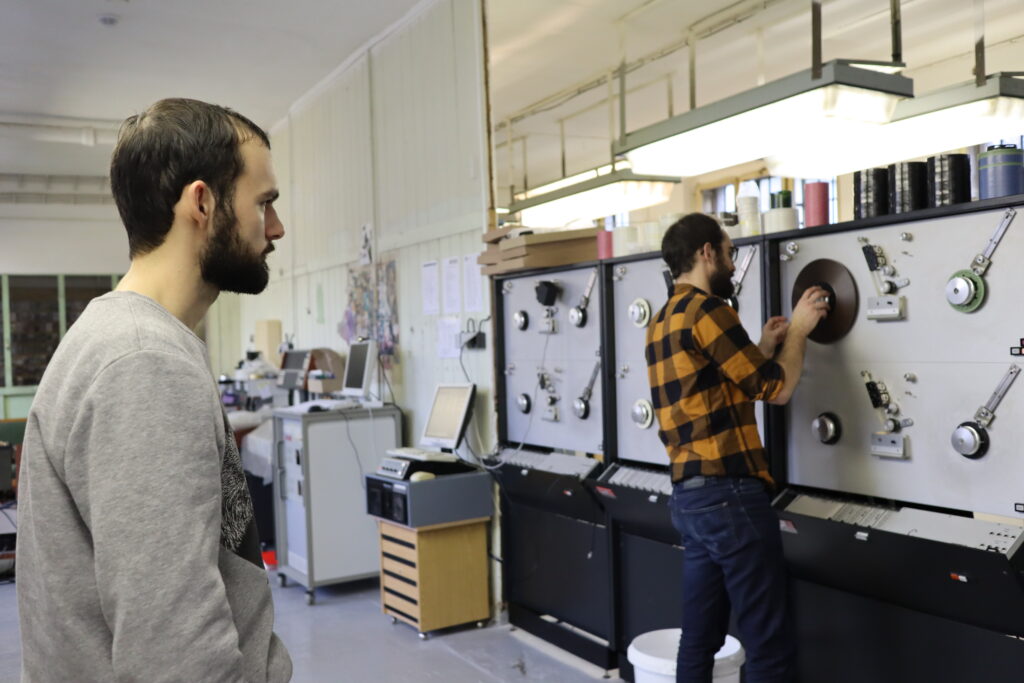
Headless Duplicated Tapes is a Prague-based company that has been producing a lot of great releases not only for local labels, but also for a lot of customers in Europe. Over time, we built a personal friendship with David. I visited his small workshop multiple times, we did not make thousands of tapes together, and I could not imagine anyone else doing tapes forI had offers from other duplication services, even explored other companies like National Audio Company or Duplication.ca, but even though I might have gotten, in some cases, better deals, I stuck with HDT as I was always satisfied with the quality of Jcards, shelves, and recordings. The final product was always flawless, and I loved having such a partner to rely on.
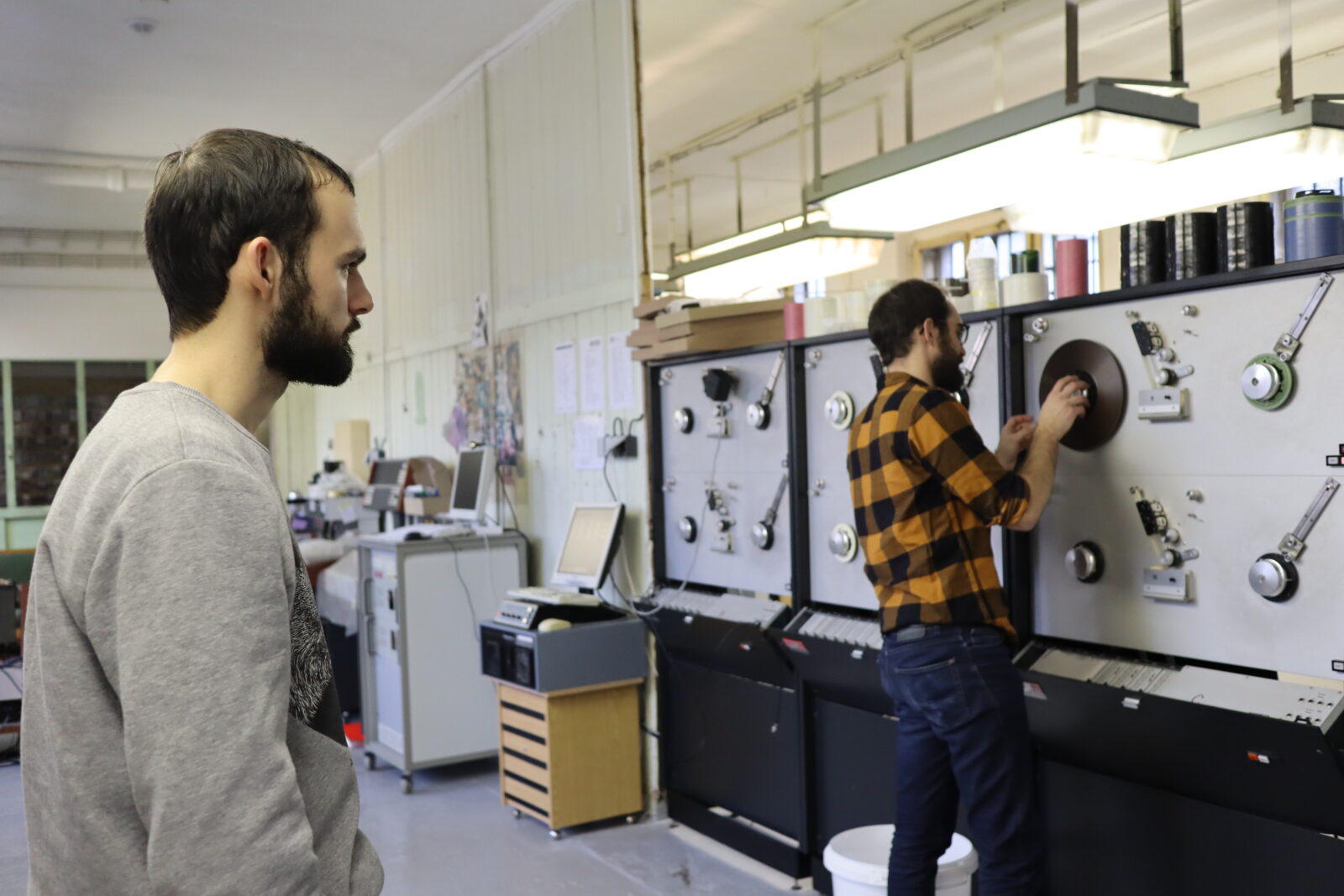
I even made some videos from the workshop, but never managed to do anything with them. Spending time where the duplicator machines are running, there are boxes of blank shelves, and black rolls of cassette tape is always magical. David is the most crucial person behind the success of both our labels, and I will be forever thankful for him. If you ever want to start a label and are ok with shipping from Central Europe, then David and HDT are your perfect choice.
So this sounds amazing, right? What is the disadvantage? The cost and the minimum quantity.
Minimum quantity
For example, HDT can do a minimum of 50 copies, but they cost the same as 70, so I always did 70 cassettes. For some releases, it was too much, but we eventually sold out even those releases. When I was thinking about this and quantities, I was asking myself. Why would I release an album that I think will not sell 70 copies? Why would smaller releases make sense? I decided that I will always use professional services and try to release music that sells at least 70 copies.
Costs
Professional services are professional, so even though you can save on larger quantities, making a small run will be pricier than making it at home if you are not factoring in the time you spend making the tapes. Getting black cassettes and printing JCards DIY way will always be cheaper, but professional services are never overpriced. For example, HDT has always had a very favorable price for the quality and speed of its operations. I never had problems spending the money on tapes because I knew I was supporting small businesses and contributing to the cassette ecosystem.
How many did we do?
Usually, I aimed for 70 copies, as that is the recommended minimum; we even did 50 for very few releases, but I always wanted to do at least 100. That seemed like a sweet spot where the price and effort put into making it. However, we even did 800 tapes of one release back in the old days, when we blew up with Z Tapes on Bandcamp. We did a lot of time 2nd, 3rd, and 4th pressings as demand was high, and we sold out cassettes without a problem. The new label’s quantities were capped at 200 copies. We did not make more. Usually, I make 100 copies, but since the label started to slow down in sales, I reverted to 70 copies, and our last cassette was done in 50 copies.
Current state
We are struggling to sell through our music releases, even after reducing quantities to a minimum (50). We have a large leftover stock from Z Tapes and Start-track, and the numbers are not looking good. This may signal a lasting shift in the market, though it’s unclear if it’s permanent. To address this, we could consider releasing different music, waiting for better conditions, exploring other distribution methods, or dubbing tapes at home. I prefer working with professional services, but I am open to ideas. What do you think we should do? Do you have suggestions or questions about any of these points? Please let me know below.
If you enjoyed reading this, consider buying a cassette from us to experience the music we selected and also support my mission.
Read previous posts:
Written by Filip Zemcik – mastermind behind labels Z Tapes and Start-track.com

